Ballet
Using a strict dance technique which has evolved over the past five centuries, is united with music, decor and costume to create works of dramatic, lyric or pure dance interest. Strictly, the word ballet should relate only to works in the classic style but in recent years, with the increasing combination of classical ballet and freer contemporary techniques, it has come to be used to describe almost any theatrical dance arrangement.
Ballet traces its history from the Renaissance spectacles which combined music, singing, poetry, dancing and decoration - an amalgamation of all of the arts. From Italy it moved to France and found its popularity in the French courts, especially under Louis XIV. Then it entered the professional theatre and the dancing masters of the 18th Century gradually established it as entertainment in its own right. By the early 19th Century Blasis had codified technique and by the Romantic era ballet had arrived in much the form we know. Later, it flowered in Russia and was then revitalized in the West. By the middle of the 20th Century, what had initially been a diversion for the nobility had become popular worldwide.
* * * * *
The disciplinary training of Classical Ballet provides the student with improved posture and a control of mind and body beneficial to health, physique and artistic appreciation. With regular classes a child will develop their natural co-ordination of movement and musicality and will gain confidence in their own abilities which will be beneficial in everyday life.
Cecchetti
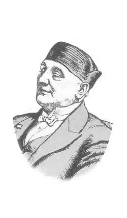
Several syllabi exist for the training of dancers: Royal Academy of Dancing (RAD), Imperial Ballet (ISTD), British Ballet Organisation (BBO) etc. The Weston teaches the Cecchetti Method, a method of training developed by Enrico Cecchetti in the late 19th Century. Born in Italy in 1850, the son of two dancers, Cecchetti migrated to St. Petersburg where he joined the Imperial Russian Ballet and created the virtuoso role of the Bluebird and the mime role of Carabosse in the première of The Sleeping Beauty in 1890. He also taught many Maryinsky dancers including Pavlova, Karsarvina and Nijinsky.
In 1909 he joined Diaghilev's ’Ballet Russe’ as a teacher and mime artist. He was recognised as the greatest teacher of his day and his pupils included Alicia Markova, Ninette de Valois, Marie Rambert and Léonide Massine. Cecchetti had trained under Lepri, a pupil of Blasis, whose ideas were developed further by Cecchetti who grouped the classical vocabulary into six sets of exercises, one for each day of the working week.
Cecchetti's work was recorded and published in 1922 by Cyril Beaumont who was instrumental in founding the Cecchetti Society for the preservation and promotion of the Maestro's work. In 1924 the Cecchetti Society became affiliated to the Imperial Society of Teachers of Dancing.
The continuing importance and value of this Method is summed up by one of today’s most well-known former ballerinas, Dame Darcey Bussell of the Royal Ballet, who has said " The Cecchetti work has given me strength, discipline and co-ordination. It wasn't until I got into the Company that I realised how lucky I was to have had that training".
The Cecchetti Society's syllabi of graded examinations for both children and vocational students are based on the principles of Cecchetti's teaching. This work will ensure that students will receive a sound training.